The Mechanics of Tipping Buckets
The vast majority of personal weather stations utilize a tipping bucket mechanism for precipitation measurement. This design relies on a specifically calibrated collection funnel that channels rainfall into one side of a miniature, precisely balanced seesaw (the "bucket"). When an exact volume of water—typically representing 0.01 inches or 0.2 millimeters of rainfall—accumulates, gravity forces the bucket to tip. This dumps the collected water out the bottom of the sensor housing and brings the alternate empty bucket under the funnel. As the mechanism tips, a magnet passes a reed switch, recording one discrete pulse in the station's console.
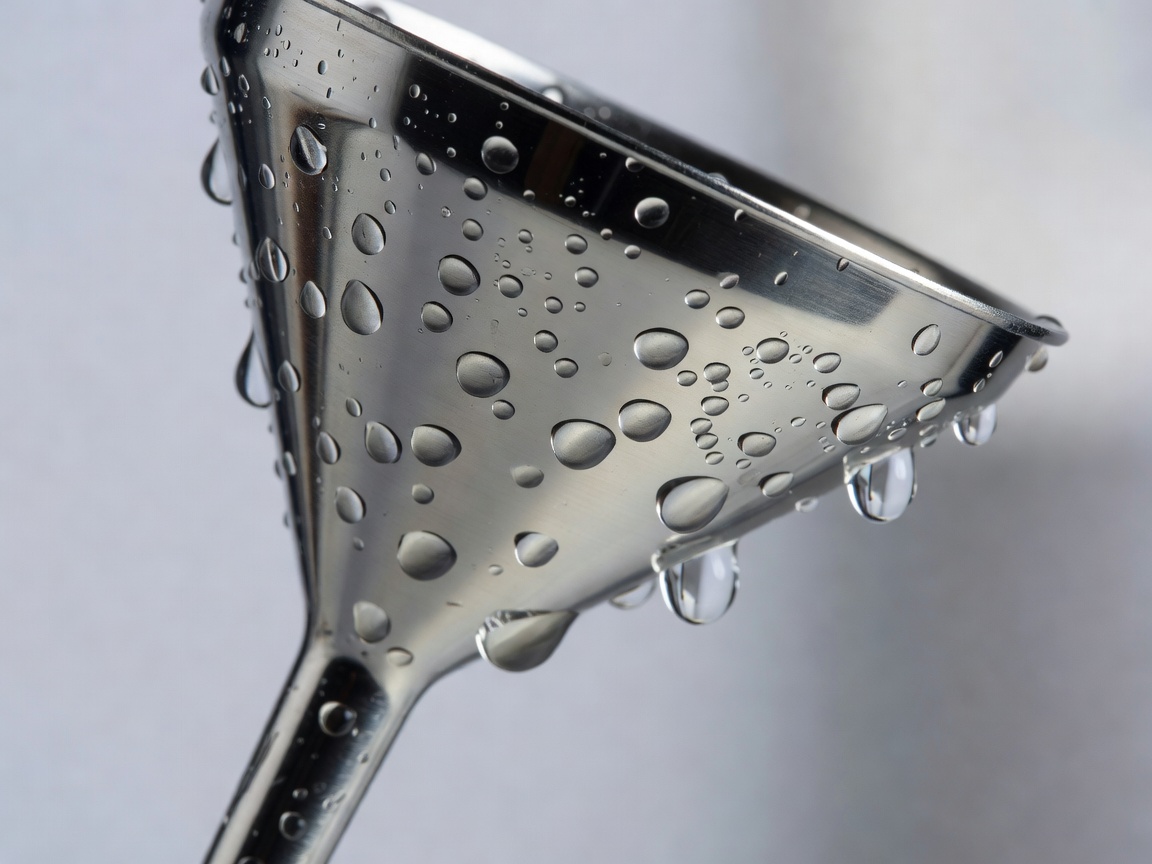
While conceptually simple, tipping bucket accuracy relies heavily on the physical size of the collection funnel. A larger diameter funnel (e.g., 8 inches) catches a more representative sample of precipitation and requires a larger physical water volume to trigger a tip, reducing the margin of error caused by surface tension and evaporation. Smaller aerodynamic profiles found in budget all-in-one stations often under-report rainfall due to splashing and wind deflection over the lip.
High-Intensity Rainfall Errors
A documented limitation of the tipping bucket mechanism occurs during torrential downpours. As rain rates exceed 2 inches per hour, water continues to pour into a bucket during the physical time it takes to tip and empty. This excess water is effectively "lost" because it falls into a bucket that has already triggered a pulse but hasn't fully evacuated. Higher-end consumer stations employ complex mathematical algorithms in the console firmware to artificially compensate for this under-reporting based on the frequency of the tips, but mechanical limitations remain.
For ultimate precision, professional setups utilize weighing rain gauges, which continuously measure the mass of the accumulated water rather than relying on discrete mechanical tips. While rare in consumer contexts due to expense and complexity, they provide uninterrupted resolution without intensity loss.
Acoustic and Haptic Rain Sensors
Emerging sensor arrays have introduced acoustic and haptic rain measurement. These devices replace the funnel entirely with a domed surface equipped with internal piezoelectric sensors. They measure the impact kinetic energy of individual raindrops striking the dome, calculating the drop size and frequency to extrapolate the rain rate and total accumulation.
The primary advantage is maintenance: there are no funnels to clog with leaves, bird droppings, or insect nests, and there are no moving parts to clean. However, acoustic sensors struggle with fine drizzle or dry snow, which lack sufficient kinetic impact to register accurately compared to the volumetric catchment of a physical funnel.
Aerodynamic Shadowing and Siting Rules
Precipitation measurements are exceptionally vulnerable to localized wind dynamics. When wind strikes a building, fence, or even the weather station mast itself, it creates an updraft that can carry raindrops horizontally over the collection funnel—a phenomenon known as aerodynamic shadowing.
Standard siting protocols require rain gauges to be mounted near the ground (typically 2 to 6 feet high) to minimize exposure to high-velocity wind aloft. The gauge must be horizontally level; a tilt of just a few degrees significantly reduces the effective catchment area facing the vertical rainfall. Furthermore, the distance from the gauge to any vertical obstruction (like a tree or house) must be at least twice the height of that obstruction. For example, if a house is 20 feet tall, the rain gauge should ideally be sited at least 40 feet away to avoid the rain shadow and splash-back effects.
Winter Considerations: Snow Equivalent
Standard unheated rain gauges cannot measure snowfall. Snow accumulates in the funnel, blocking the mechanism, and eventually sublimates or melts erratically. For environments experiencing freezing conditions, heated rain gauges are necessary to melt frozen precipitation on contact, allowing the tipping bucket to record the liquid water equivalent. This requires dedicated mains power routing, as solar capabilities are insufficient for resistive heating elements operating in sub-zero temperatures.